
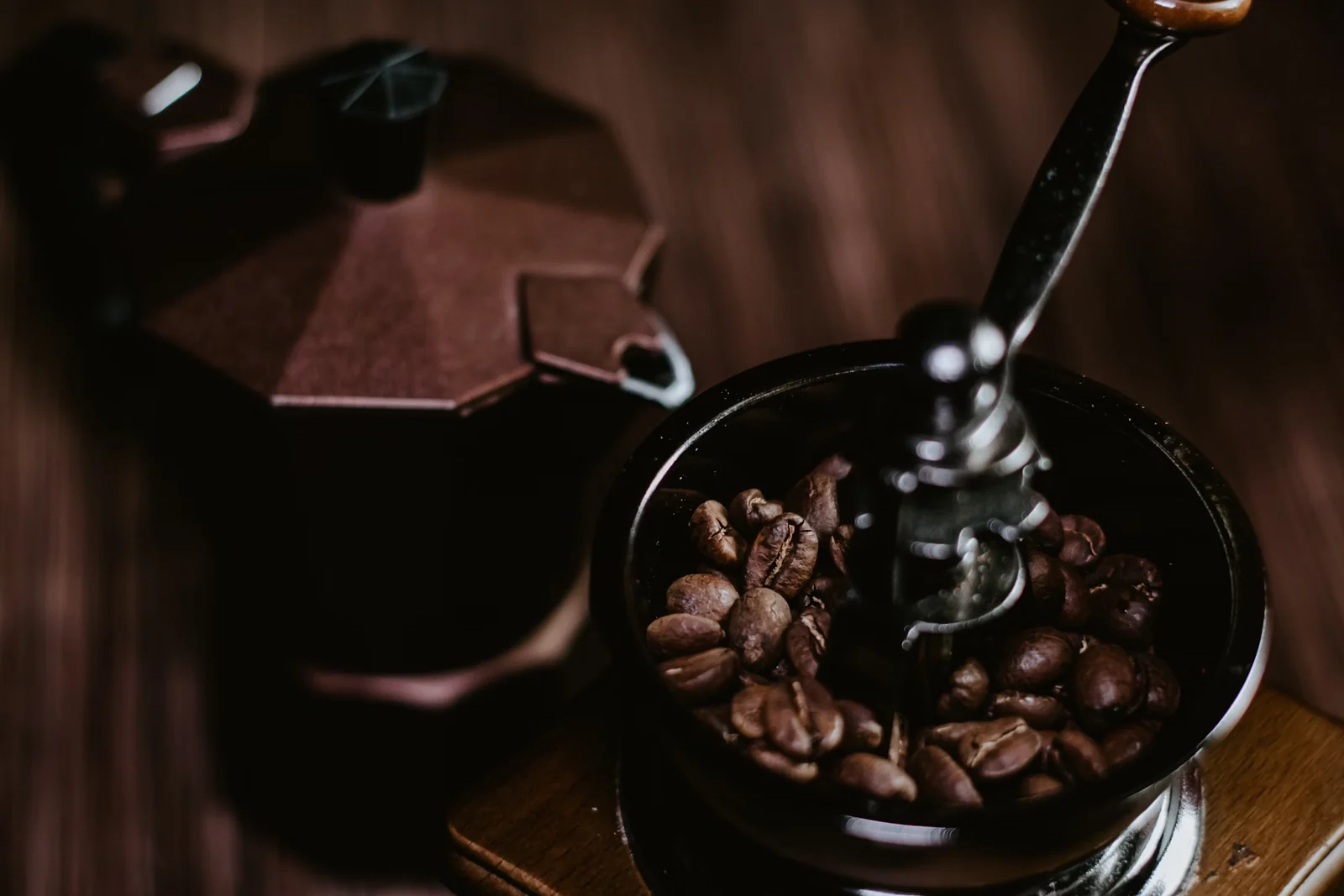
Choosing coffee beans for a fully automatic machine becomes easier when you begin with the drinks you actually make. A short espresso, a large breakfast coffee and a cappuccino ask different things of the same bag. The best purchase is therefore not necessarily the darkest roast, the most expensive origin or the blend with the highest advertised intensity. It is a coffee that works with your machine, suits your preferred cup and remains enjoyable throughout the pack. This guide gives you a repeatable way to choose, test and compare beans without constantly changing every setting.
Start with your everyday drink
Write down the two drinks you prepare most often. If you mainly drink espresso, concentrate on sweetness, texture and a finish that remains pleasant after swallowing. If your machine usually makes longer coffees, check that the flavour stays balanced at that volume. A coffee that tastes concentrated and comfortable in a small cup can become dry when pushed through a much longer programme. For cappuccino or latte, assess the finished milk drink as well as the coffee alone. Milk changes the balance, so an impressive espresso does not automatically become your favourite cappuccino.
Decide what you mean by strong. You might mean a darker roasted taste, a thicker body, more coffee per cup or simply a shorter drink. These are different preferences. Before shopping, replace the vague word with something observable: chocolate notes, low perceived sharpness, a persistent coffee flavour in milk, or a clean and lighter finish. That short description is more useful than chasing a single intensity number. It also makes conversations with a coffee supplier much clearer, because they can recommend a style rather than guess what strength means to you.
Check the machine before choosing the beans
Read the bean and grinder instructions supplied with your particular machine. Manufacturers can exclude coated, caramelised or otherwise treated beans, and some provide additional advice about roast suitability. Follow those instructions instead of assuming that every product labelled coffee belongs in the hopper. Keep powders, instant coffee and anything intended for a separate ground-coffee compartment out of the bean grinder. The bypass compartment, when present, has its own dosing instructions and should not be treated as a second hopper.
Inspect the condition of the equipment before judging a new blend. Empty the grounds container, clean the accessible parts as directed and check whether a cleaning or descaling programme is due. A stale residue in the outlet or an overdue maintenance cycle can obscure differences between coffees. Use the normal water source recommended for the machine and keep it consistent during comparisons. You do not need to turn breakfast into a laboratory experiment; you simply need to avoid blaming a new bag for an unrelated maintenance problem.
Understand roast descriptions and blend information
Roast descriptions are useful starting points, but they are not universal measurements. Two suppliers may use the same word for noticeably different coffees. Look for accompanying flavour descriptions and the intended preparation method. A description mentioning cocoa, nuts or roasted notes suggests a different direction from one emphasising floral or fruit-like impressions. These are tasting descriptions, not a promise that every person will identify the same flavours. Your water, machine settings and preferred serving size will influence what reaches the cup.
Arabica and Robusta percentages describe part of a blend, not its entire quality. Origin, processing, roasting and preparation matter too. Avoid assuming that a higher percentage of one species automatically guarantees a better drink. Instead, compare blends within your own preferred style and note the results. The useful question is whether the finished coffee delivers the body, balance and aftertaste you want. Our guide to comparing coffee blends explains a simple tasting method that makes this comparison more reliable.
Buy a sensible trial quantity
A larger bag can be convenient when several people use the same machine every day. It is less useful when you are still deciding whether you like the coffee. Begin with a quantity you can realistically assess and consume without leaving an open bag forgotten for weeks. Consider both your household consumption and how often you switch between blends. If two people prefer different styles, buying a very large quantity of an untested compromise can create more waste than saving a little on the initial price.
Keep the original product label until the test is finished. Record the name, pack size and any preparation guidance, rather than relying on the colour of the bag. Similar packaging may cover different blends or formats. When you find a successful coffee, those details make reordering easier. Compare available whole-bean coffees by their individual descriptions, and check the current pack options on the product page. Treat a tasting selection as a way to discover preferences, not as a requirement to choose the most expensive option.
Establish a baseline before adjusting anything
For the first comparison, use the machine's familiar recipe and a clean cup. Make the same drink size that you normally enjoy. Taste it without sugar first if you can, then prepare it the way you actually drink it. Write a short note about aroma, body, bitterness, sharpness and aftertaste. A few ordinary words are enough. Avoid evaluating only the first sip while the drink is extremely hot; revisit it as it cools to a comfortable temperature, because the balance may become easier to describe.
When changing beans, remember that some of the previous coffee can remain in the grinder and internal path. The first drink may therefore be a mixture. Follow the manufacturer's instructions for changing beans and allow for that transition before reaching a conclusion. Do not dismantle the grinder or run it in a way the manual prohibits. For an everyday home comparison, a consistent routine is more valuable than attempting to eliminate every last trace at the cost of unnecessary waste or damage.
Change one setting at a time
If the cup is thin, first consider the selected drink volume and coffee dose or aroma setting. A long drink made with a small dose may simply be too diluted for your taste. If it tastes harsh, check whether you are using an excessively long extraction programme for that blend. Make a small adjustment, prepare another cup and compare. Keep the other settings unchanged. Otherwise, you cannot tell which change improved the result and which one made it worse.
Adjust the grinder only as described in the machine manual. Some machines require the grinder to be running; others use a different procedure. There is no safe universal instruction for every model. Allow subsequent drinks to reflect the new setting before adjusting again. If you use a separate espresso machine, the variables are different; our espresso grind troubleshooting guide covers that process in more detail. In either case, the aim is a repeatable cup rather than an impressive setting number.
Match storage to your routine
The hopper is convenient for brewing, but it should not become long-term storage for your entire supply. Add an amount that fits your normal routine and close the remaining bag carefully. Keep it away from heat, bright light, moisture and strong kitchen odours. Do not place spare coffee beside the machine's warm exhaust or above a kettle. If you transfer beans to a container, keep the product information with it so that you can identify the coffee and follow the pack guidance.
Avoid topping up an old residue indefinitely. Use a sensible rotation and clean the hopper according to the manufacturer before starting a fresh supply when appropriate. For households that brew only occasionally, smaller packs can make the routine easier. Our coffee storage guide explains how to organise bags and portions without making unrealistic promises about a universal freshness deadline. The practical goal is to preserve the character you enjoyed during the initial comparison, not to chase perfect storage conditions at any cost.
Questions to ask before your next order
Does everyone using the machine enjoy this blend? Does it work in the drink size you actually prepare? Is the bag size appropriate for your consumption? Can you reproduce the result without extreme settings? These questions are more useful than judging beans from packaging alone. If a coffee needs constant correction or tastes pleasant only in a drink you rarely make, it may not be the right everyday choice, even if it receives enthusiastic reviews elsewhere.
Keep a small record of two or three successful combinations: coffee name, machine recipe, approximate serving size and a sentence about the taste. Revisit the notes when buying again. Your preference can change, and a new machine may produce a different result, so treat the record as a helpful starting point rather than a permanent rule. Choose beans that make your daily coffee enjoyable and straightforward. Consistency, suitable quantities and a clear comparison method usually offer more practical value than endlessly searching for a single supposedly perfect bean.
All blog articles