
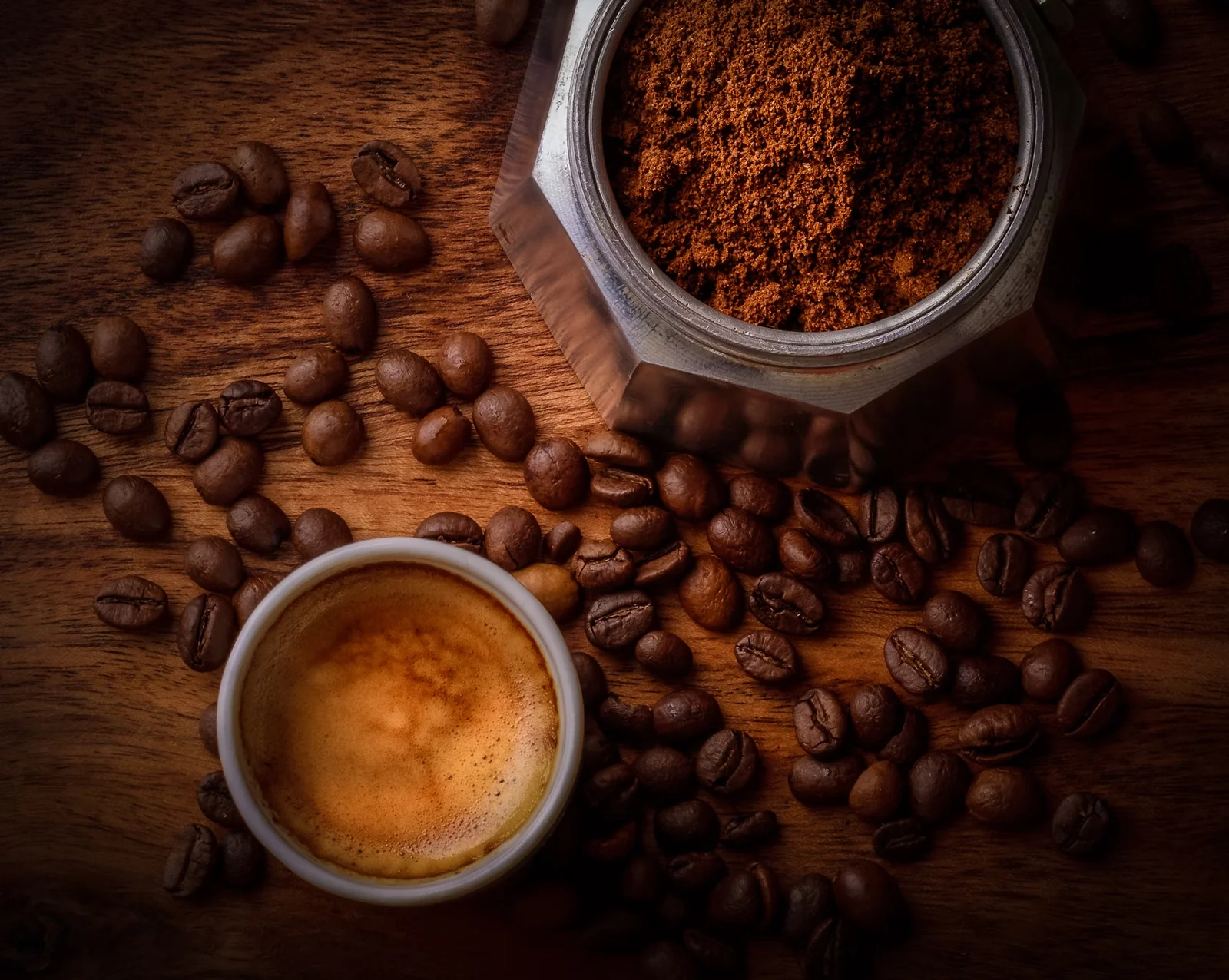
Decaf coffee deserves the same attention as any other coffee: a suitable blend, thoughtful preparation and a pack size that fits the way you drink it. Choosing decaf does not mean that flavour becomes irrelevant or that every product tastes the same. It means that caffeine has been substantially reduced through a decaffeination process. The most useful buying questions still concern your preferred drink, the equipment you use and the character you enjoy. This guide focuses on those practical decisions without making health promises or treating decaf as completely caffeine-free.
Understand what decaf means
Decaffeination removes much of the caffeine from coffee, but the finished drink can still contain some caffeine. The precise amount depends on the product and preparation, so avoid interpreting the word decaf as a guarantee of zero. If a particular caffeine limit matters to you, obtain product-specific information and appropriate professional advice rather than relying on a general blog article. A package description is the starting point for understanding the individual coffee you are buying.
Different decaffeination methods exist, and the process is generally applied before roasting. Do not assume a particular method unless the producer states it for that product. Words such as natural or gentle can be used in marketing without explaining the complete process. If the method is important to your purchase, look for a clear statement or ask the supplier. It is better to leave an unanswered detail open than to infer it from the colour of the packaging or a description of another coffee.
Choose the drink before the label
Start with the drink you want to prepare. A short espresso, a long black coffee and a cappuccino create different expectations of body and flavour. Consider whether you prefer a rounded, roasted character, a lighter impression or a coffee that remains noticeable in milk. Read the individual tasting description and preparation guidance. These are more useful than assuming every decaf has a particular taste or that all decaf coffees require the same recipe.
If you are replacing a familiar regular coffee, list the qualities you actually enjoy about it. Perhaps you value a smooth finish, a nut-like aroma or a full texture. Use those preferences to guide your comparison, while accepting that a different coffee will not necessarily be an exact copy. A successful decaf choice is one you enjoy on its own terms. Comparing only for what is missing can make you overlook a cup that works very well in your daily routine.
Select the correct format
Whole beans give you control over grinding when you have suitable equipment. Ground coffee can be convenient when the grind matches your preparation method. Pads require a compatible machine and should not be confused with other portioned formats. Before ordering, confirm the format, pack size and intended use on the product page. Similar names can appear across different products, so do not rely on a thumbnail or a search result alone.
For a fully automatic machine, check the manufacturer's instructions and use beans that meet its requirements. If the machine offers a separate ground-coffee compartment, follow its dosing procedure carefully. It is not designed to accept arbitrary amounts or whole beans. Our guide to beans for automatic machines explains how to establish a baseline and change one setting at a time. Decaf should receive that same measured approach rather than a collection of guessed adjustments.
Begin with a familiar brewing routine
Prepare the first cup using a sensible recipe for your equipment. Keep the water source, cup size and basic preparation consistent with your normal routine. Taste the coffee at a comfortable temperature, then note its body, sweetness, bitterness and finish. Do not judge it only from the smell of the dry beans. The finished drink is what matters, especially if you normally add milk or prepare a larger serving.
Make one small adjustment if the result needs improvement. On an automatic machine, that might mean changing the drink volume or the coffee strength setting. On a portafilter machine, weigh the dose and beverage and assess the flow before changing the grind. There is no universal decaf setting that works for every grinder and coffee. A previous recipe is a useful starting point, not a promise that the new beans will behave identically.
Adjust espresso by taste and repeatability
If a decaf espresso runs quickly and tastes thin or sharply unfinished, examine dose, distribution and grind together. Keep the dose stable while testing a modest grind change, following the grinder's instructions. If the cup is harsh or drying, check whether you have extracted a much longer beverage than intended. Equipment cleanliness and uneven preparation can also affect flavour, so avoid blaming decaffeination for every disappointing result.
Use crema as one observation rather than the sole measure of success. Its appearance can vary with the coffee and preparation, and a thick layer does not guarantee a balanced drink. Taste the espresso and the final milk drink if you make one. Our espresso troubleshooting guide offers a structured sequence for diagnosing flow and flavour. The same principle applies here: small, recorded changes are more helpful than constantly turning the grinder without a clear hypothesis.
Compare milk drinks fairly
When comparing two coffees in cappuccino, use the same cup, similar milk quantity and the same preparation routine. Otherwise, a larger amount of milk can make one coffee seem weaker even if the espresso itself is satisfactory. First taste a small portion of the coffee alone, then assess the finished drink. Look for the balance you enjoy rather than expecting an identical impression from both versions.
Milk or a plant-based alternative introduces its own sweetness, texture and flavour. Keep that ingredient consistent during the initial comparison. Once you find a promising coffee, adjust the recipe to suit your actual preference. A useful everyday result might be a smaller milk drink with a clearer coffee character, or a longer drink with a gentler finish. There is no need to turn this personal decision into a universal claim that one preparation is correct for everyone.
Buy and store for your consumption
Decaf is sometimes an occasional choice in a household that mainly drinks another coffee. That makes pack size especially important. A large bag may be economical per unit but inconvenient if it remains open for a long time. Estimate your likely use and start with a manageable quantity. Keep the original label so that you can reorder the exact coffee you enjoyed rather than guessing from similar packaging.
Store the coffee in a dry, cool place, protected from unnecessary exposure to air and heat, and follow the package guidance. Close the bag after use and keep your scoop dry. Avoid leaving a reserve beside a warm machine just because it is used only occasionally. Our coffee storage guide covers practical routines for different formats. Careful storage matters for decaf just as it does for other roasted coffee.
Keep shared equipment organised
If several people use the same machine, make it clear which coffee is currently in the hopper or container. Do not assume that changing the visible beans instantly removes everything from the grinder path. Follow the manufacturer's instructions for switching coffees and cleaning. If avoiding regular coffee is particularly important, shared equipment and retained grounds deserve careful consideration rather than an informal assurance that one quick change makes the system completely separate.
Label opened bags and keep different supplies distinct. A simple note beside the machine can prevent someone from topping up the decaf container with another blend. In an office or guest setting, describe the offering accurately and leave the packaging information available. Good organisation is more useful than promising a precise caffeine content that you have not measured or obtained from the producer.
Make a confident purchase
Review the current product description, available format and preparation guidance in the coffee collection. Ask about any product-specific details that are missing and important to you. Do not borrow technical claims from a different decaf simply because the names sound similar. A transparent description should distinguish the coffee's stated characteristics from general advice about brewing and storage.
Finally, keep a short note of the recipe you liked: coffee name, serving size, equipment settings and the finished drink. This makes the next purchase and preparation easier. Decaf can be part of a varied coffee routine without being treated as a compromise or a health product. The practical goal is straightforward: select a suitable coffee, prepare it consistently and judge the cup by the experience it gives you.
All blog articles